Home » Hex Bolt Types: Simple Guide for Building & Factory Use
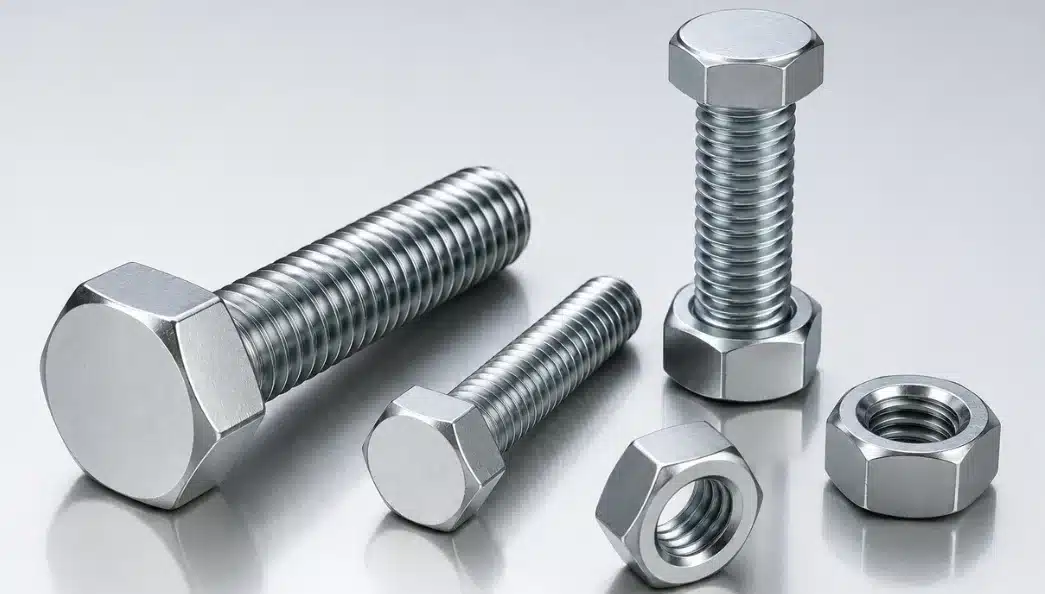
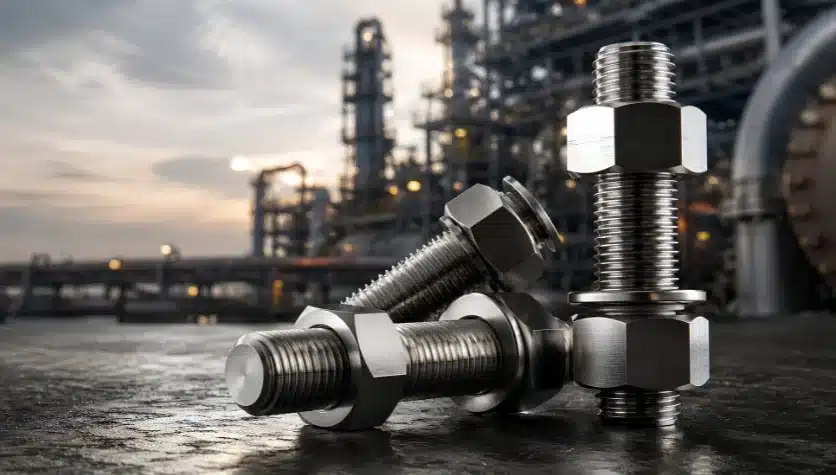
Hex bolts are some of the most common pins used to hold things together in the world. They get their name because they have a six-sided top. That special six-sided head is what makes them so handy. You can use a basic wrench or socket tool to grip them and turn them from any side.
Builders use them to connect heavy steel beams. Workers in the oil and gas fields use them to clamp large pipes together. Chemical plants use them in high-pressure tubes where a loose bolt could cause a big accident. They work great because they are strong, easy to use, and come in many types of metals and sizes.
The reason we have so many hex bolt types is simple. Different jobs need different strengths, metals, and protective coats. A bolt that works fine inside a dry factory will rust and break quickly in salty ocean water. Picking the right bolt from the start saves money and keeps the job running smoothly.
There is no single bolt that works for every project. Learning about the different types of hex bolts helps builders and buying teams make smart choices. Every type is made to work best in its own special environment. Here is a list of the most common choices.
Hex head bolts are the most basic type. They have a six-sided head and a threaded shank. There are several hex head bolt types categorized by their thread coverage and head dimensions. They come in a wide range of sizes and strength levels to suit different project demands. Petrofast Middle East supplies these across a full range of international standards. These bolts are available in multiple strength classes. The higher the class, the stronger the bolt. Lower classes are common in general construction. Higher classes are used where extreme load-bearing is needed. They are easy to install and work with most standard tools. That is why they appear in almost every type of project, from small machinery to large infrastructure builds.
Heavy hex bolts have a wider and thicker head compared to standard hex bolts. That larger head gives them more contact area with the surface. This makes them better at handling very high loads without the head pulling through. Many of the most demanding construction projects choose our Heavy hex bolts UAE suppliers for securing critical structural steel connections. This type of bolt is important because it meets a consolidated set of requirements that previously required referencing multiple older standards. That makes specification writing simpler and reduces confusion on job sites. These bolts are available with surface finishes including Black and Hot Dip Galvanized to suit different exposure conditions.
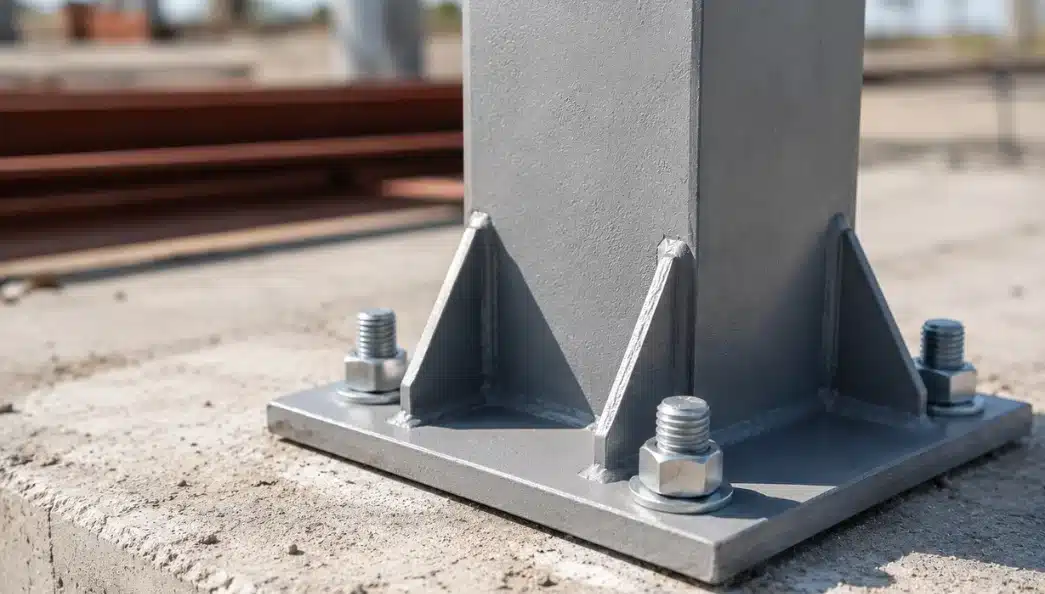
Structural hex bolts are made just for holding big steel frames together. They must pass tough tests to prove they can carry very heavy loads. Workers use them to build bridges, tall steel buildings, power towers, and large factories. Structural hex bolts UAE projects need bolts paired with matching nuts and washers. A supplier like Petrofast Middle East FZC sells them together as a complete set with heavy-duty nuts. This makes sure the whole team of parts stays strong and works exactly the way it was designed to under a lot of weight. The main difference between a structural bolt and a regular hex bolt is how you tighten it. Structural bolts must be twisted until they reach a very specific level of tightness and stretch. Workers must test and check this tightness on the job site using special calibrated tools.
Bolted together, large structures face a significant challenge with rust. This is a truly serious issue in the Gulf region, where the air is saturated with water, the weather is extremely hot, and salt from the ocean contacts everything on a daily basis. Stainless steel hex bolts provide the ideal answer to these harsh surroundings.
Petrofast Middle East FZC supplies stainless steel hex bolts UAE across a full range of austenitic, duplex, and super duplex grades. The right grade depends on how aggressive the environment is. Standard austenitic grades work well in general corrosive conditions. Duplex and super duplex grades are chosen when the environment is far more demanding.
The key difference between standard and higher stainless grades is the alloy content. Higher alloyed grades contain more elements that resist chloride attack. Chloride is found in seawater and many industrial chemicals. So for offshore platforms and coastal structures, a higher-grade stainless is always the right call.
Super duplex stainless steel is used in the most extreme places. These materials can hold much higher pressures and fight off harsher chemicals than normal stainless steel. You will find them in underwater tools, sea-water cleaning plants, and high-pressure chemical tanks.
High tensile hex bolts are made from special alloy steel that has been baked and cooled in a process called heat-treating. This special heating step makes them much stronger than regular steel bolts. Workers use them in places where a broken bolt would be highly dangerous or cause a major accident. You can find these super-strong bolts in tall skyscrapers, long bridges, and heavy digging machines. For oil and gas applications, a supplier like Petrofast Middle East FZC supplies oil and gas fasteners in alloy steel parts specifically for high-pressure tanks, pipe rings, and valves. You need to be very careful in handling and installing these bolts. If you twist them too much they will break right in half. If it is not tightened enough, the entire joint will be weak and loose.
Galvanized hex bolts have a specific layer of zinc spread over their outer metal skin. This zinc layer acts like a shield, protecting the steel beneath from wet air. It also acts as a helper coat which takes the damage first, so the zinc will break down and rust away before the steel ever does.
.This zinc coating can be applied in two basic ways:
Outdoor building projects use these galvanized hex bolts UAE on projects like water cleaning plants, highway signs, and regular street construction. They are a great choice because they protect well against weather without costing too much money.
A supplier like Petrofast Middle East FZC also sells bolts with other outer finishes. These include Yellow Passivated, Black, Oxidized Mill Finish, and Polytetrafluoroethylene (PTFE) coats. A PTFE coat is special because it works like a slick lubricant to stop friction. This slippery coat helps workers twist the bolt to the exact level of tightness they need during installation.
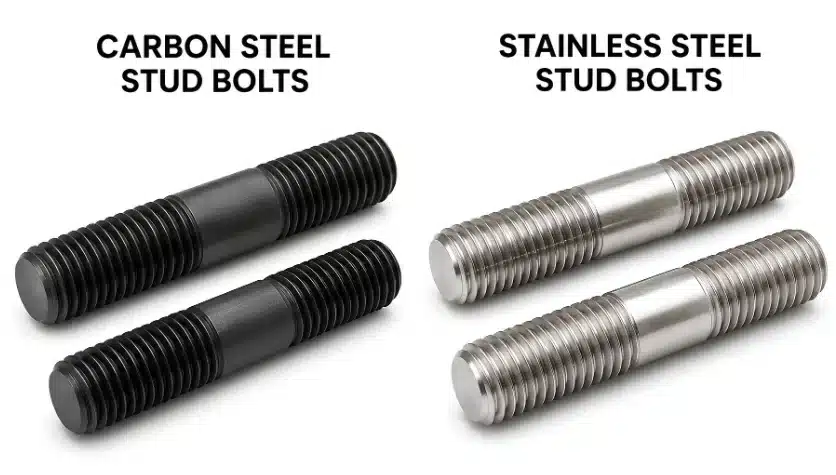
The most common type of bolt used on everyday building and factory projects is carbon steel hex bolt. These Industrial hex bolts are the backbone of most ordinary construction and assembly jobs. It is made of simple carbon steel which is strong, easy to shape and not very expensive.
The temper of the bolt when heated and cooled depends upon the amount of carbon mixed into the steel. Lower strength bolts are made of steel with less carbon. The more carbon in the steel, the stronger the bolts.
Plain Carbon steel hex bolts will rust if they get wet. Because of this, workers almost always cover them with a protective outer coat. The coat you pick depends on where the bolt will live. A Hot Dip Galvanized coat works great for outdoor and wet spots. A Black Oxide coat is best for inside or dry rooms. Electro Zinc Plating sits right in the middle for normal, everyday conditions.
Construction hex bolts made of carbon steel are the standard pick for most house frames, road projects, and basic civil construction. They are a very clever choice for big jobs requiring thousands of bolts where switching to costly stainless steel would cost way too much money.
This is a question that comes up on almost every job. The choice depends entirely on what the bolt is doing.
For standard bolted connections that carry mostly tension, fully threaded bolts work fine. For connections that carry shear loads, partially threaded bolts with the shank in the joint are the better engineering choice.
Different industries have very specific needs. Here is how industrial hex bolt types break down by sector.
Hex bolts for oil and gas industry must handle extreme pressure, heat, and corrosive fluids. Flanged pipe connections on process lines are the most common application. These bolts see high temperatures and aggressive chemicals every day.
Bolts for oil and gas must come with full material traceability and test reports. Petrofast Middle East FZC provides complete traceability documentation for every product.
Hex bolts for construction range from standard carbon steel bolts for regular framing to extra-strong structural bolts for holding heavy steel buildings together. Heavy hex bolts are used in spots where the joint has to carry very large loads that stand still or move around.
Industrial hex bolt types used for big infrastructure projects like bridges and highways must pass tough tests for strength and long life. Because traffic and wind push on these joints over and over again, keeping a close eye on bolt quality is very important.
Chemical plants handle harsh liquids and gases at very high temperatures. The fasteners used there must not get weak or rust over time. Super duplex stainless steel and nickel metals are common choices for this kind of work.
To help with these tough jobs, a supplier like Petrofast Middle East FZC keeps special metals in stock. These include brands like Hastelloy, Monel 400 and 500, and Incoloy 625, 825, and 925, which are all made to survive in these harsh setups.
|
Hex Bolt Type
|
Material
|
Application
|
Strength Level
|
Common Industry
|
|---|---|---|---|---|
|
Hex Head Bolts (DIN 931 / DIN 933, ISO 4014, ISO 4017)
|
Carbon steel Stainless 304/316
|
General bolted connections, machinery assembly
|
CL 4.8, 8.8, 10.9, 12.9
|
Construction, manufacturing, and general infrastructure
|
|
Structural Heavy Hex Bolts (ASTM F3125/F3125M)
|
High-strength alloy steel
|
High-load structural framing and heavy girder connections
|
830 MPa to 1040 MPa (Metric) 1040 MPa to 1193 MPa (ASTM)
|
Structural steel erection, bridges, heavy civil plants
|
|
Structural Assemblies (ASTM F3125/F3125M + A563/A563M)
|
Medium carbon alloy steel
|
Moment connections, heavy structural bracing towers
|
150 ksi (1040 MPa) minimum tensile
|
Power transmission towers, process plants, infrastructure
|
|
Stainless Steel Hex Bolts (ISO 3506-1)
|
SS 304, 316 Duplex (S31803/S32205) Super Duplex (S32750/S32760) Nickel Alloy UNS N06625
|
Corrosive environments, extreme marine & chemical exposure
|
A2-70, A4-70, A4-80 Duplex Yield ≥ 450–550 MPa
|
Oil & gas, offshore platforms, marine, desalination
|
|
High Tensile Hex Bolts/Studs (ISO 898-1 / ASTM A193)
|
Carbon steel Chromium-Molybdenum alloy steel
|
High-pressure vessels, critical process pipe flanges, and valves
|
Class 8.8, 10.9, 12.9 Grades B7, B7M, B16, B8, B8M
|
Oil & gas refining, petrochemical processing, power generation
|
|
Galvanized Hex Bolts (HDG / Electro Zinc)
|
Carbon steel with zinc coating
|
Outdoor structures, exposed utility frameworks, and civil utility networks
|
CL 4.8, 8.8 typical
|
Civil utilities, road infrastructure, and water treatment plants
|
|
Fully Threaded Hex Bolts (DIN 933)
|
Carbon steel Stainless steel options
|
Variable-depth clamping fields, ongoing on-site modifications
|
CL 4.8 to 12.9
|
General maintenance, field fabrication, equipment assembly
|
|
Partially Threaded Hex Bolts (DIN 931)
|
Carbon steel Stainless steel options
|
High shear-load interfaces, precise alignment fits
|
CL 4.8 to 12.9
|
Machinery manufacturing, structural frame shear connections
|
The coat on a hex bolt is more than just looks. It directly affects the number of years that the bolt will last on the job. It costs a lot of money to make the mistake of choosing the wrong coat for the weather.
A supplier such as Petrofast Middle East FZC will supply hex bolts with these tested surface finishes:

This is the thickest and toughest zinc coating. Great for outdoor jobs, ocean docks and very wet areas.
This gives a cleaner, smoother finish all round. It keeps the bolt ridges thin so parts fit tightly and perfectly together.
An additional layer of rust protection is applied directly to the zinc coating.
This finish is low cost and suitable for indoor use, providing a small amount of protection against rust.
The standard bright finish for stainless steel grades that fight rust and are tough.
This is used for special purposes where a low friction is desired during assembly, particularly in flanged connections on process piping. The choice of coating is based on the environment of use, the required service life and the requirements of the assembly process.
A hex bolt alone does not create a safe connection. The nut and washer must be matched correctly to the bolt grade and size.
Using a lower-grade nut on a high-strength bolt is a mistake that creates a weak point in the joint. The nut will strip before the bolt reaches its full clamping force. Petrofast Middle East FZC supplies complete bolt and nut assemblies with matched grades. Nuts are available to match every bolt specification.
Washers distribute the load under the bolt head and nut. They protect the surface and prevent loosening under vibration. For structural connections, DTI (Direct Tension Indicator) washers are used to verify that the correct bolt tension has been achieved.
Picking the right hex bolt for your job is not a guessing game. It is a smart engineering choice that keeps people safe, makes the structure last longer, and protects your total project budget. Using the wrong strength grade, the wrong metal, or the wrong outer coat leads to broken parts that cost a lot of money to fix and can cause permanent damage.
Visit us today or call our expert tech team directly to get the exact hex bolt details you need for your next build. Our team will look over your plans and point you toward the right grade, standard rule, protective coat, and size to match your specific job, your wallet, and your timeline.
Half-threaded bolts have a smooth middle part that is great at holding up against sideways sliding forces. Full-threaded bolts are easier to use for different thicknesses because you can twist a nut onto any part of them, and you can even cut them down to size on the job.
Super duplex stainless steel is the best choice. These bolts do not mind salty ocean water, they handle heavy crushing pressure, and they stay strong in high heat much better than regular stainless steel.
Hot Dip Galvanizing gives you a thick, tough layer that lasts a long time against rain and bad weather. Electro Zinc Plating is much thinner and smoother, which makes it better for tight spaces where parts need to fit together perfectly.
If you use a weak nut on a strong bolt, the internal ridges of the nut will strip and flatten out before the bolt is even fully tight. This leaves you with a loose joint that can shake apart or break under a heavy load.
A PTFE coat is highly recommended for these pipe joints. It works like a slick lubricant to stop friction, which helps workers tighten every single bolt to the exact same level of tightness.