Why Stud Bolt Fasteners are in High Demand in Modern Industries?
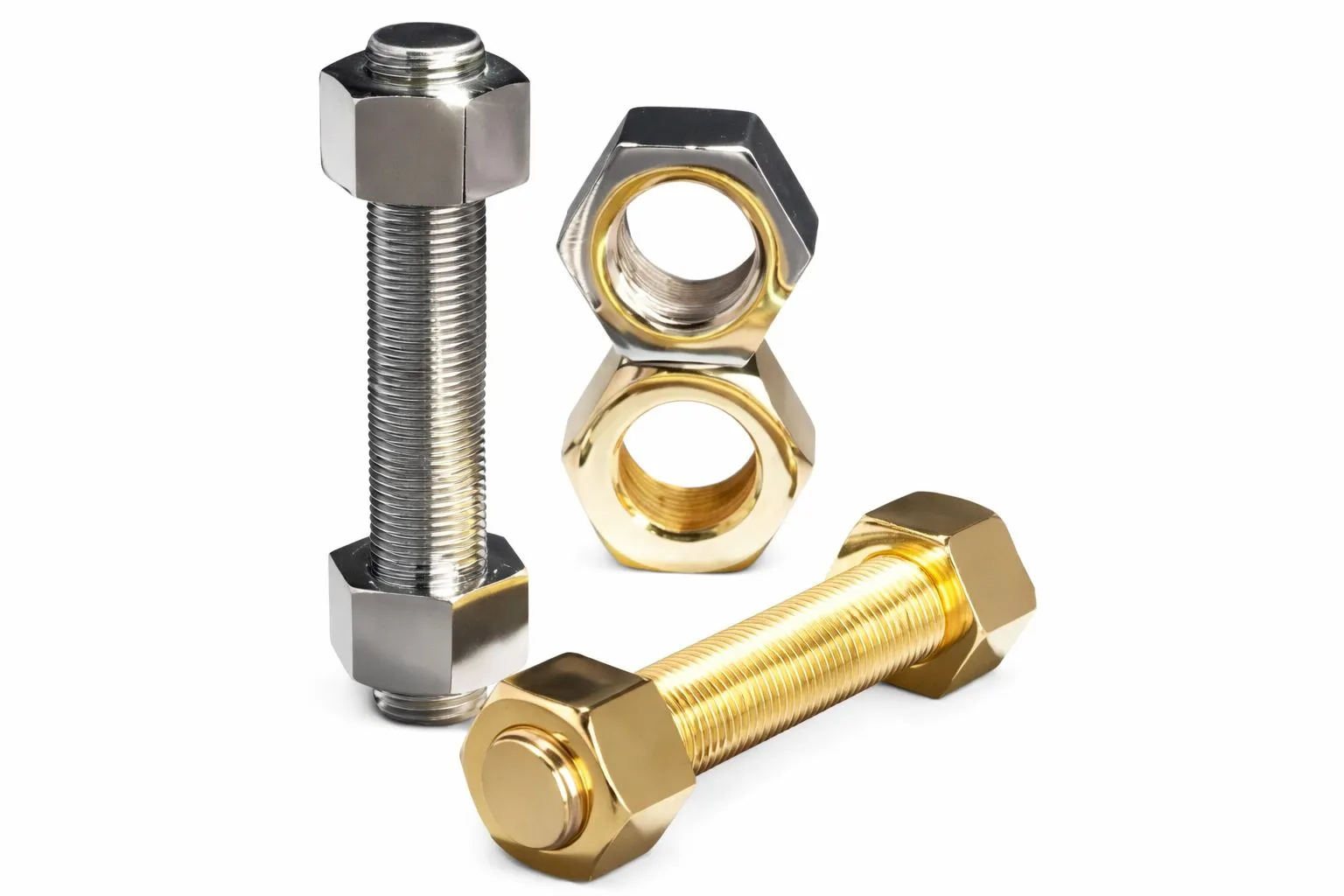
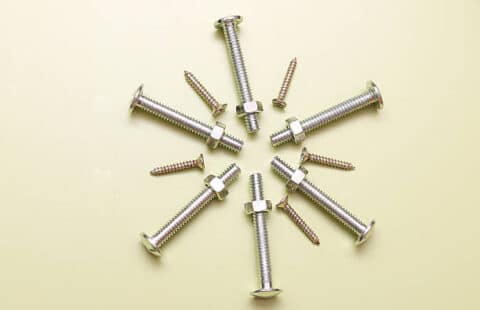
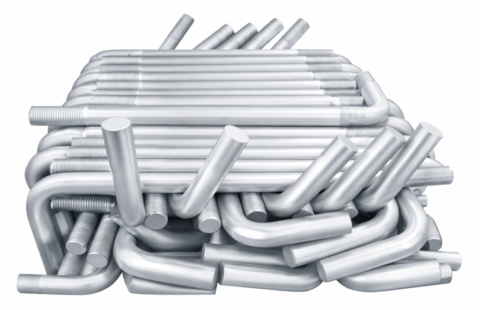
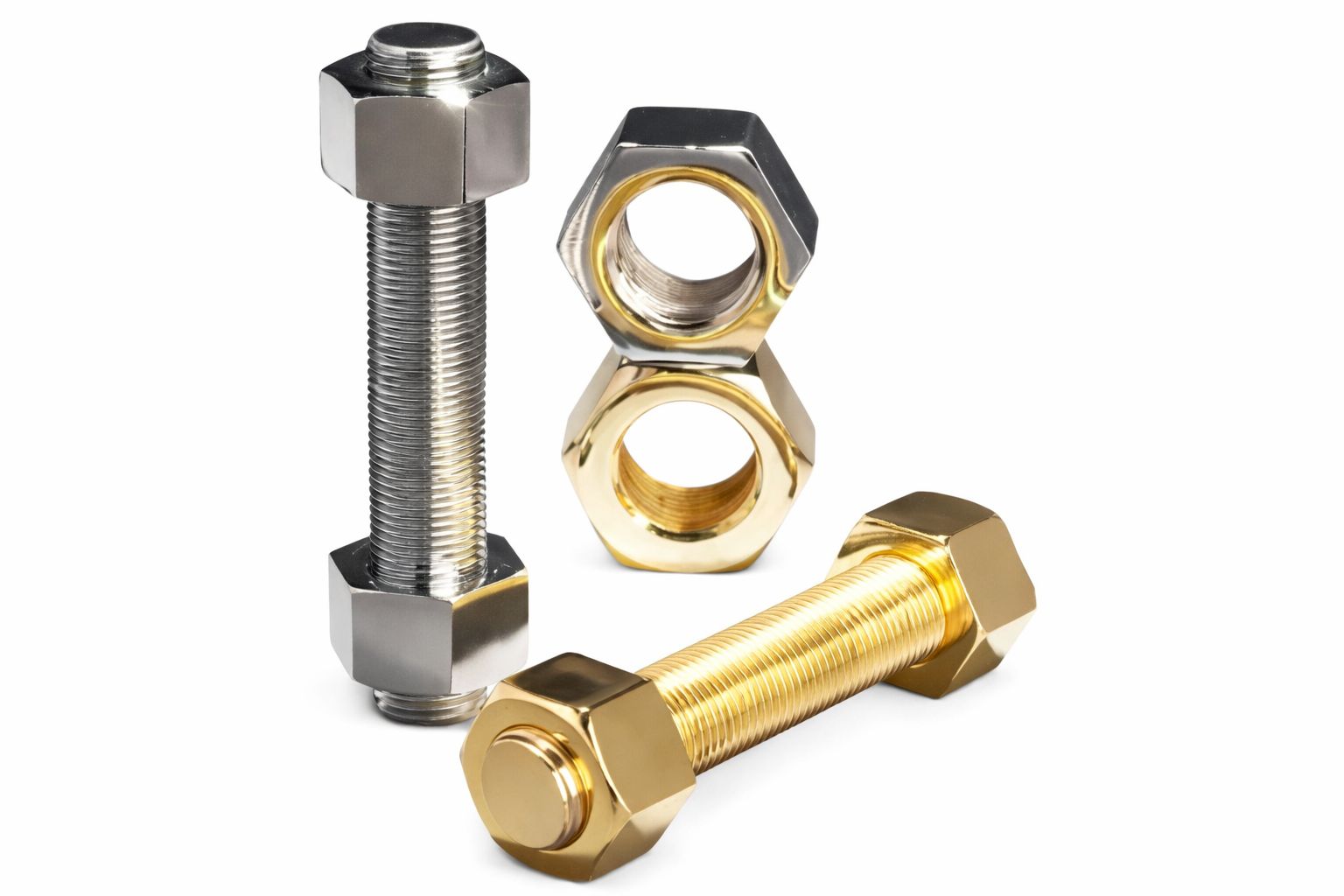
A stud bolt is a mechanical fastener made up of a threaded rod with no head. It is designed to be used with nuts, one on each piece, to form a robust and secure connection between components. Unlike standard bolts, which have a head on one side, stud bolts provide stronger load distribution as well as tensile strength. Furthermore, they also offer endurance in high-pressure and high-temperature environments.
Stud fasteners are widely used in piping systems, pressure vessels, heat exchangers, manufacturing, automotive, aerospace, and marine industries. They play an important role in complex operations because of their ability to exert advanced clamping strain.
What are Stud Bolts?
Stud bolts, also known as studs, are threaded rods without a head that have threads on both ends or over their entire length. They are typically used in conjunction with nuts and washers in applications requiring a permanent or semi-permanent connection.
Common Types of Stud Bolts in Industrial Applications
Double-headed Stud Bolt
The DIN 835 standard stud bolt has two threaded ends of equal length and an unthreaded shank in the middle. It also includes a variety of unusual variants, such as the reduced Shank type, which has a middle shank diameter smaller than the threaded sections.
There are two types: one with an exterior hexagon-shaped central shank for wrench gripping and driving comfort and another with threaded directions reversed at both ends. Another alternative is the DIN 939 standard double-end stud that includes a thickened center shank.
Full-Threaded Stud Bolts
DIN 976 standard threaded rod features a full-thread structure, which offers greater mechanical strength. It typically has shorter length parameters than a standard threaded rod.
Weld Stud Bolts
Weld studs made specifically for welding onto thin metal sheets. The tip has normal threading for nut installation, whereas the other end is machine-welded to metal. There are two types: drawn arc weld studs and capacitor discharge weld studs.
Tap End Stud Bolt
This slotted rod has threads at both ends. One end has a shorter threaded part that is specifically designed for installation into a pre-machined curved hole. Moreover, the other end is used to connect nuts and other fasteners.
Self-Clinching Stud Bolts
A stud having a broad head or flange and specific serrations or curves that may be riveted into sheet metal and tightly fastened in its proper position.
Single-End Stud Bolt
Single-End Stud Bolt has two ends: one is threaded to connect to nuts or fittings with internal threads. Also, the other can be inserted into a hole to help with rotation.
Application of Stud Fasteners Across Multiple Industries
Stud bolts are known for their durability and decontamination. That’s why these stud bolts are used in numerous industries. The industries that most commonly employ these screws are listed below.
Oil & Gas Sector: These bolts are used in the oil and gas sector to secure distinctive pipes, flanges, valves as well as strain vessels.
Power Plants: Power plants require bolts that can withstand extreme temperatures and lines. Most of them are used to build mills and heat exchangers.
Petrochemical: Chemical exposure from plants is widespread here. Stud bolts should provide a strong hold while simultaneously resisting corrosion.
Marine and Shipbuilding: Stud bolts are designed to withstand rust and saltwater. This makes them an ideal option for constructing ships and marine parts.
Construction: Stud bolts are used to secure metallic frames and joints in structural work. They are easy to adjust or tighten.
Automotive and Engines: The automobile industry uses those bolts in extraordinary applications of motors and engines because of their high electricity and stability when paired with various additives.
Heavy Equipment & Machinery: Stud bolts secure large items that can be challenging to relocate. Their designs are easy to replace worn-out components without disrupting the entire system.
Aerospace Industry: The aerospace industry uses titanium or alloy steel studs to join various components. Such bolts are built to endure high pressure and vibration.
Choose the Best Stud Bolt Materials for Your Next Project
- Carbon steel is usually used for standard commercial applications in which excessive power is needed. It gives accurate overall performance at an affordable price, which makes it best for preferred fastening necessities.
- Stainless steel is widely determined for environments uncovered to chemical substances or harsh climatic conditions. Grades together with 304, 316, and 321 provide varying tiers of corrosion resistance and warmth tolerance.
- Alloy steel is designed for disturbing conditions concerning excessive strain and multiplied temperatures. It gives you advanced power and heat resistance with introduced elements like chromium and molybdenum.
- Titanium is known for its lightweight and corrosion resistance property. It is especially suitable for marine and aerospace programs.
Wrapping Up!
Stud bolts are a popular choice in commercial enterprises that require high-power and corrosion-resistant fasteners. Petrofast UAE is a trusted manufacturer and supplier of premium stud bolts, offering customized options designed to specific business requirements. We provide an extensive range of double-ended bolt product lines that provide comprehensive solutions from standard standards to unusual sizes.
Get in touch with us today for the best stud fasteners at affordable prices.
FAQs
How to Install a Stud Bolt?
Before installing additives, ensure that each one of the through holes is on the same axis. If there are not any pre-drilled holes, punch holes with a drill bit that has the equal diameter of the fastener. Insert the double-ended stud into the holes and hammer it until about half of it is within, retaining the same length exposed on both ends.
Then, install flat washers and spring washers along with nuts. It is ideal for two human beings to use wrenches or energy equipment to tighten the nuts at each end of the stud to the important torque, completing the installation.
How to Extract a Stud Bolt Safely?
When disassembling, unscrew the nut counterclockwise with a tool. Next, use a hammer to break the stud’s side to get rid of it from the mounting hole. It is suggested to apply a fastening to steady the nut before detaching it.