Expert Insights on Foundation Anchor Bolts for UAE Infrastructures
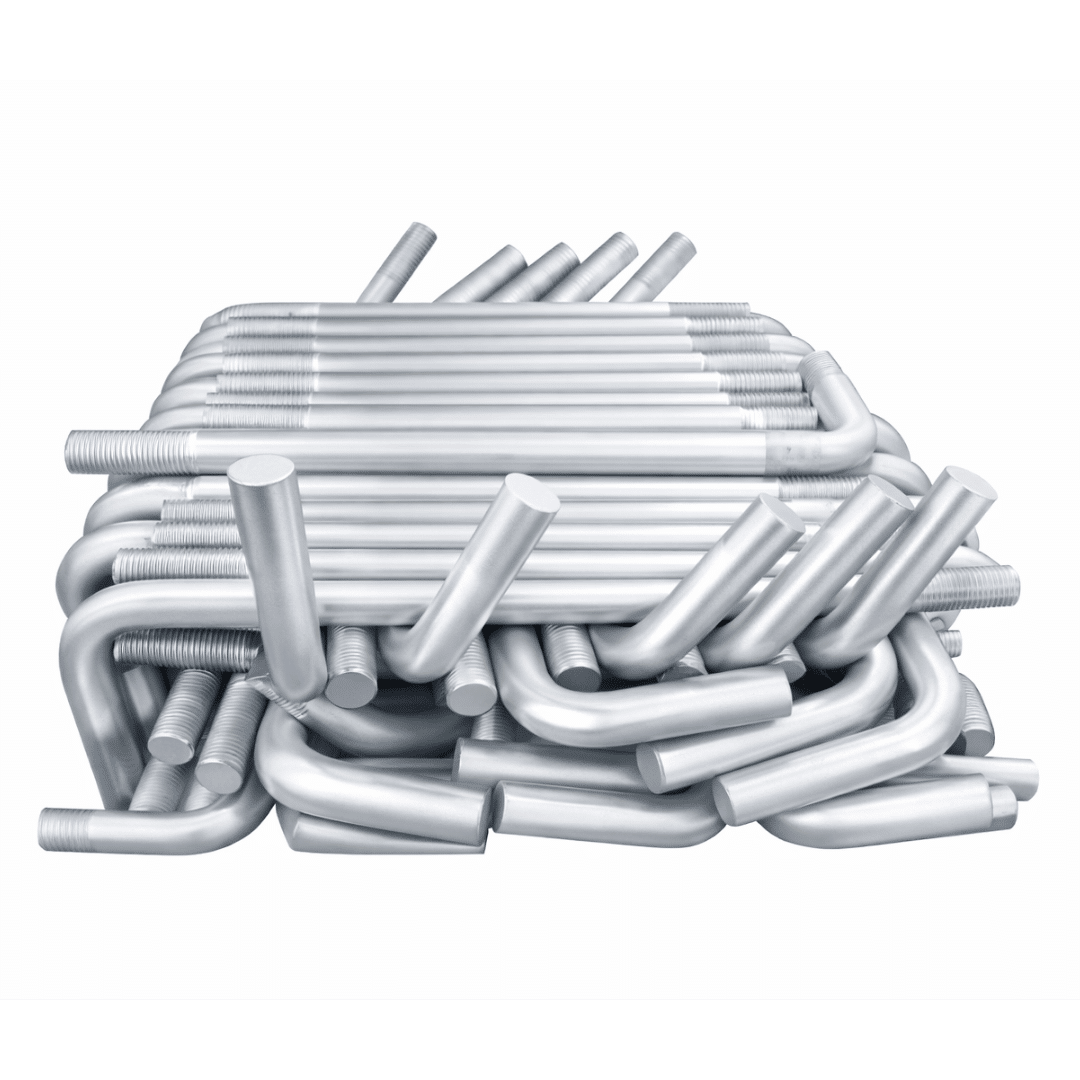
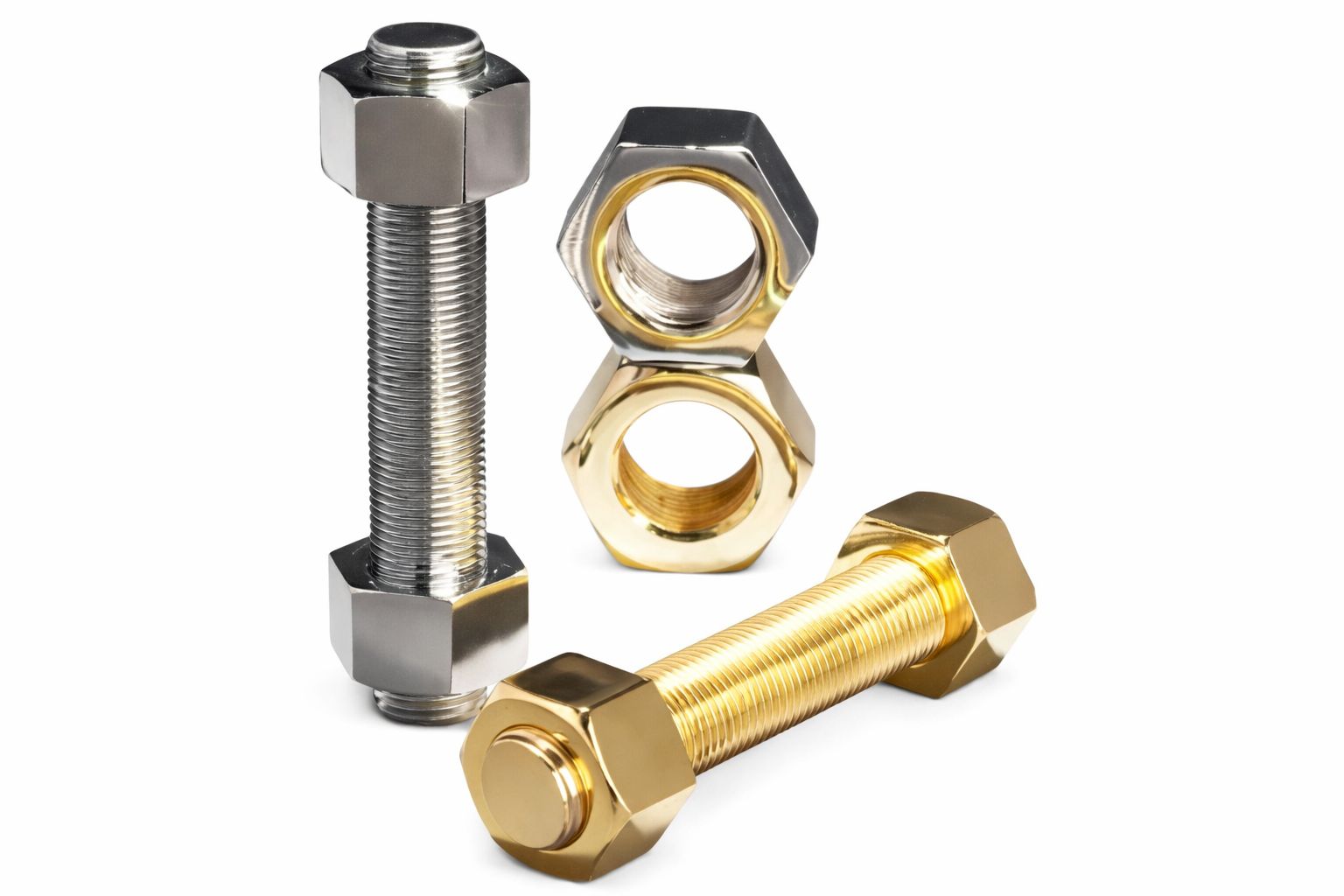
In structural engineering and heavy industrial construction, the reliability of its base connections fundamentally determines the performance of a system. To begin with, Therefore, the interface between concrete foundations and structural or mechanical components must be engineered to withstand complex load conditions, including shear and dynamic forces. Moreover, foundation anchor bolts serve as the primary load-transfer mechanism in these connections, ensuring structural stability and precise alignment under operational stress. Rather than functioning as simple fastening elements, foundation anchor bolts are critical engineered components that influence the overall safety, durability, and lifecycle performance of infrastructure and industrial installations. In fact, their role becomes even more significant in demanding environments such as oil & gas facilities and power plants as well as large-scale construction projects across the UAE and GCC, where exposure to vibration and temperature variations is common. At Petrofast, we manufacture foundation anchor bolts, focusing on material integrity, dimensional accuracy, and compliance with international standards. As a result, our products consistently perform in high-load and high-risk applications. Different Types of Custom Engineer Anchor Bolts L-Shaped Anchor Bolts L-shaped anchor bolts feature a 90-degree bend at the embedded end, forming a mechanical interlock within the concrete. Consequently, this design distributes tensile forces across a broader concrete surface and enhances pull-out resistance. Technical Details: Use Case Example: Engineers use them in steel column bases for commercial buildings or light industrial structures that require predictable tensile resistance. J-Shaped Anchor Bolts J-shaped bolts have a hook at the embedded end, providing increased mechanical anchorage. Specifically, this design is particularly effective under vibrational or dynamic load conditions, as the hooked end resists pull-out and maintains structural stability. Technical Details: Use Case Example: Furthermore, contractors often retrofit older structures, offshore platforms, or high seismic activity areas with these bolts. Straight Anchor Bolts with Bearing Plates Straight anchor bolts rely on a welded or cast bearing plate at the embedded end to transfer load effectively. In addition, the plate increases surface contact with the concrete, enhancing pull-out resistance and load distribution. Technical Details: Use Case Example: Similarly, engineers mount base plates for industrial equipment, heavy steel columns, or high-rise structural components using these bolts. Headed Anchor Bolts Headed anchor bolts are forged or machined with an integral head at one end, providing anchorage without bending or welding. Thus, this head allows precise load distribution and high resistance to both axial and shear forces. Technical Details: Use Case Example: Engineers use these bolts in bridges, industrial plants, or offshore structures that require maximum structural integrity under extreme loads. U-Shaped Anchor Bolts U-shaped bolts are bent into a U-form to clamp around cylindrical or tubular structures. As a result, this geometry ensures even load distribution and resists torsional or vibrational stresses. Technical Details: Use Case Example: Engineers use these bolts to secure pipelines, cylindrical tanks, or poles in industrial and infrastructure projects. Expansion (Mechanical) Anchor Bolts Expansion anchor bolts expand radially when the nut is tightened, generating friction against the drilled concrete cavity. Therefore, this method provides high anchoring capacity without welding or casting. Technical Details: Use Case Example: Engineers use these bolts to install machinery, steel platforms, or retrofit steel structures when embedding during concrete pouring is not possible. Chemical or Resin Anchor Bolts Chemical anchor bolts use adhesives or resin to bond the bolt within drilled holes in concrete. Accordingly, the adhesive distributes the load along the embedment length and provides superior resistance in cracked or aged concrete. Technical Details: Use Case Example: In the same way, offshore platforms, chemical plants, and high-rise structures require exceptional pull-out resistance and vibration tolerance. Sleeve Anchor Bolts Sleeve anchors consist of a threaded rod inside a sleeve. Consequently, tightening the nut expands the sleeve, pressing it against the concrete walls and providing firm anchorage. Technical Details: Use Case Example: As such, engineers use these bolts to secure equipment bases, mount brackets, and retrofit structures in industrial facilities. Double-Ended Stud Bolts Double-ended studs are fully threaded rods installed into pre-drilled holes with nuts on both ends. As a result, they allow precise tension adjustment and uniform load transfer. Technical Details: Use Case Example: Engineers use these studs for flanged pipe connections in oil & gas and water treatment plants. Wrapping Up! At Petrofast Middle East, we deliver precision-engineered foundation anchor bolts designed for high-load as well as high-risk applications across the UAE and GCC. Ultimately, our solutions empower engineers and contractors to achieve structural resilience and reduced maintenance in critical projects. Finally, contact our team to discuss your requirements and secure fasteners that deliver long-term durability and peace of mind.