Bolt Fastener: Types and Applications for Engineering You Must Know in 2026
In modern engineering systems, the reliability of an object or assembly is completely reliant on the integrity of its fastening solutions. Among these, a bolt fastener is essential to set up secure and load-bearing connections in a wide range of industrial applications.
At Petrofast, we supply precision-engineered bolting fasteners that meet international standards of excellence. We design anchor bolts specifically for the demanding environments of the UAE and GCC industries. Our commitment to engineering excellence delivers heavy duty fastening options for critical applications.
In this post, we’ll take a look at bolt fasteners, addressing how they work and their various types, as well as how they’re used. It helps experts make smart choices for reliable and lasting anchoring.
What are Bolt Fasteners?
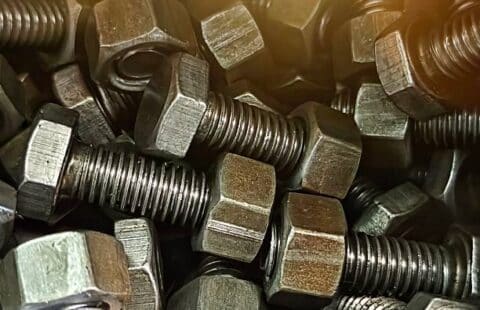
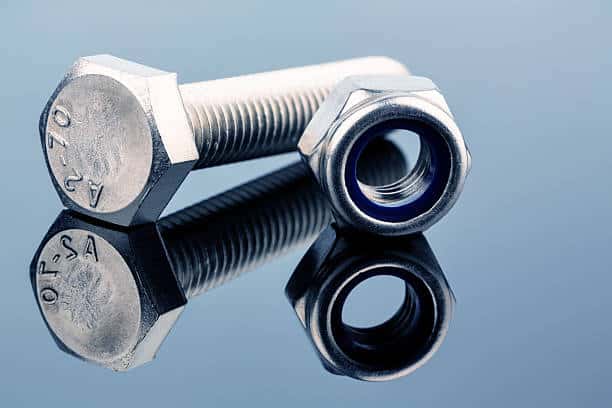
A bolt fastener is a threaded mechanical device that secures two or more components in conjunction with a nut or drilled hole. Its threaded shank connects with mating threads to produce clamping force, and its headed section supports torque management.
The torque-tension connection influences the overall performance of a bolt fastener, as applied torque creates axial preload within the fastener. This preload secures joint integrity and resists separation under external stress.
Unlike other fasteners, bolt fasteners provide for the following:
- Adjustable assembly and disassembly without adverse components.
- High load resistance, suitable for heavy machinery and structures
- Precise clamping and alignment of mechanical components
Manufacturers use high-grade carbon metallic and stainless steel to make bolt fasteners, often coating or finishing them to improve corrosion resistance. Their correct design ensures that industrial systems, pipelines, equipment, and automobiles remain secure and functional under excessive pressure.
Different Types of Mechanical Bolts for Structural Stability
Following are the multiple types of anchor fasteners used in modern engineering and industrial projects in Dubai.
Hex Bolts or Heavy Hex Bolts
Hex bolts are characterized by a six-sided head and a partially or absolutely threaded shaft. Heavy hex bolts have larger heads and bearing surfaces, distributing load more efficiently. They are broadly used in steel systems and heavy equipment, presenting excessive load-bearing ability.
Stud Bolts
Stud bolts are absolutely threaded rods without a head, designed for flanged connections in pipelines and system assemblies. Their dual-threaded ends permit nuts to be tightened from each facet, providing uniform pressure distribution and resistance to vibration.
Foundation Anchor Bolts
These bolts provide superior mass mobility and stability by fastening structural elements to concrete foundations. They are required for infrastructure work, commercial plant life, plus high-rise dwellings.
U Bolts
U Bolts are curved fasteners that clamp pipes, rods, or tubes to structural help. They are typically used in plumbing as well as automobile installations for secure alignment and vibration resistance.
Flange Bolts
Flange bolts feature a washer beneath the head to ensure even load distribution while lowering floor damage. They are commonly used in automotive assemblies, and high-vibration operations.
Threaded Bars
Threaded bars, or completely threaded rods, are versatile fasteners utilized in structural bracing, equipment assembly, and adjustable installations. They offer high-power connections and customizable lengths for diverse industrial applications.
Specialty Bolts
Specialty bolts, including eye bolts, chemical-resistant bolts, and excessive-temperature fasteners, serve offshore structures and chemical-resistant facilities where standard bolts may fail.
Applications of Custom Fastening Bolts for Precise Installations
Construction & Infrastructure
Bolt fasteners, also called anchor bolts or hex bolts, are necessary in structural engineering applications. They form rigid connections between steel components and solid concrete. These fasteners withstand combined loading conditions: axial tension and seismic stresses. Construction crews cement anchor bolts into concrete foundations to stabilize metal columns in high-rise structures and bridge frameworks for lasting structural stability.
Automotive Industry
Automotive engineers widely use bolt screws to maintain optimal durability and precision. They withstand vibration and thermal enlargement while preserving proper alignment among engine components, chassis structures, suspension additives, and drivetrain devices. For example: high tensile bolts in cylinder head assemblies provide stable clamping strain even if temperatures and combustion pressures vary. This secure fit prevents leakage and mechanical failure.
Oil & Gas Energy
Anchor fasteners in the oil and gas, as well as electrical industries, face severely harsh environments and high temperatures. Engineers use chrome steel and alloy steel fasteners to meet these demands, as these materials provide advanced mechanical strength and resistance to chemical degradation. Crews install stud bolts in pipeline and offshore flange connections. Robust and sustainable hydrocarbon processing depends on preserving a leak-proof barrier for these projects.
Industrial Equipment and Machinery
Bolt fasteners are essential to the solidity of automated systems and industrial machinery operating under persistent dynamic loads. Manufacturers design heavy hex bolts and threaded rods to produce high preload while maintaining component alignment. This approach lessens the risk of excessive downtime and wear failure. Operations requiring turbine housings and gearbox additives demonstrate the need for fasteners that withstand rotational forces and vibration.
Water Facilities and Chemical Plants
Bolt fasteners in water treatment and chemical processing plants must function dependably in the presence of moisture and chemicals. Operators often select stainless steel and lined fasteners to prevent corrosion and material damage. For example, corrosion-resistant bolts secure pressure vessels and piping structures in chemical reactors and desalination facilities. This secure fastening preserves joint integrity against constant exposure to conflicting chemical compounds and saline water.
Wrapping Up!
When picking fasteners for your project, there are a few things to keep in mind to make sure that everything works well and properly.
Choosing the right bolt fastener can make all the difference in sturdiness and assembly in any project. Material type and load requirements, as well as environmental consciousness, should all impact your selection. For example: bolt fasteners made of chromium steel provide long-term resistance to rust in areas with high levels of moisture. Proper sourcing guarantees that every joint remains secure, whether in automobile or building construction.
Get in touch with Petrofast Middle East FZC for buying robust fastening bolts; standard or custom according to your engineering specifications.