
Leading
Industrial Solutions

Certified Company
ISO 9001

Monday – Saturday 08:00-18:00
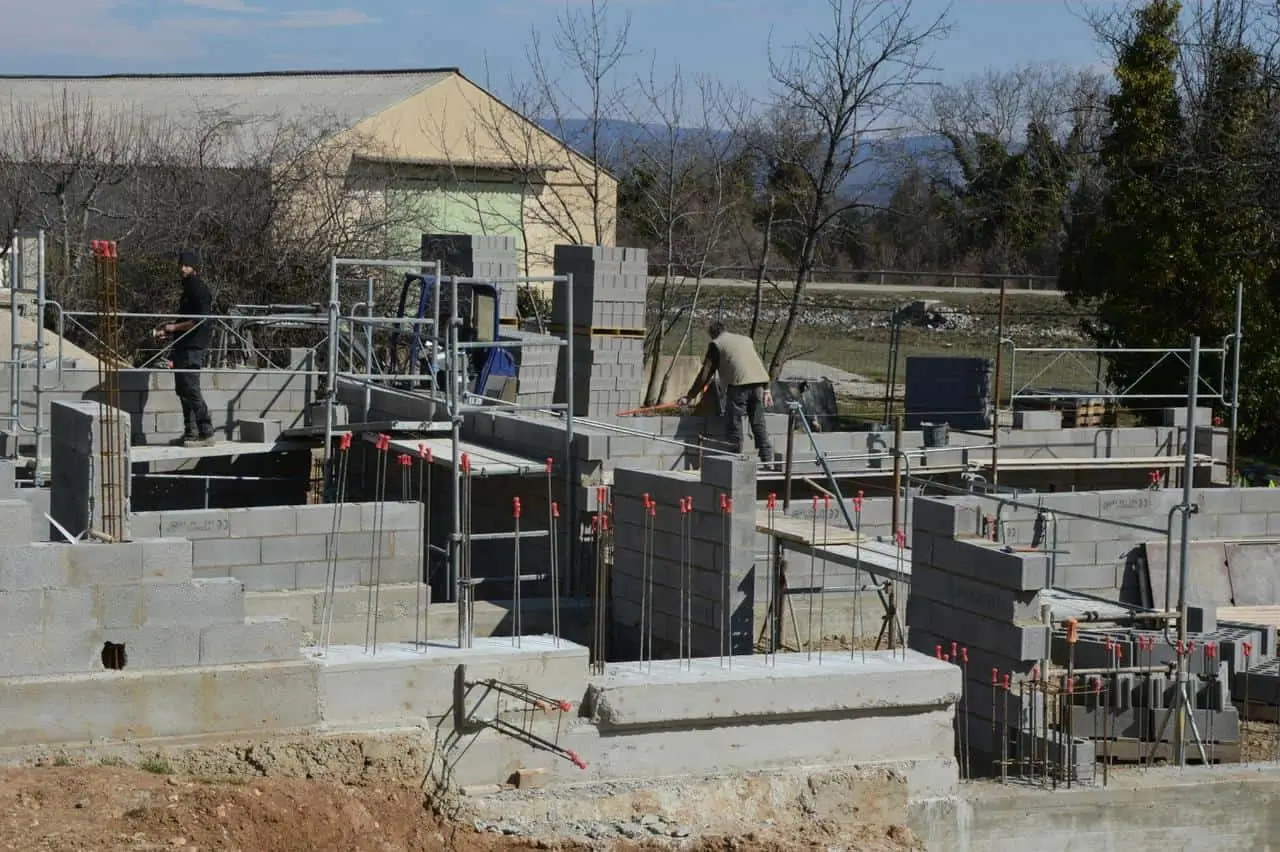
An anchor bolt is a steel rod, often threaded at one or both ends, that connects structures or machinery to concrete. Installers embed one end of the bolt in the foundation. Meanwhile, the exposed end attaches base plates, columns, or machinery using nuts and washers. Anchor bolts transfer forces—tension, shear, or a combination—between the structure and its foundation. When specified and installed correctly, they help resist seismic loads, wind uplift, vibration, and other stresses that act on the core foundations of the structures.
Anchor bolts are available in various shapes and designs, each suited for specific structural or industrial applications. Understanding the different types helps in selecting the right bolt for your project.
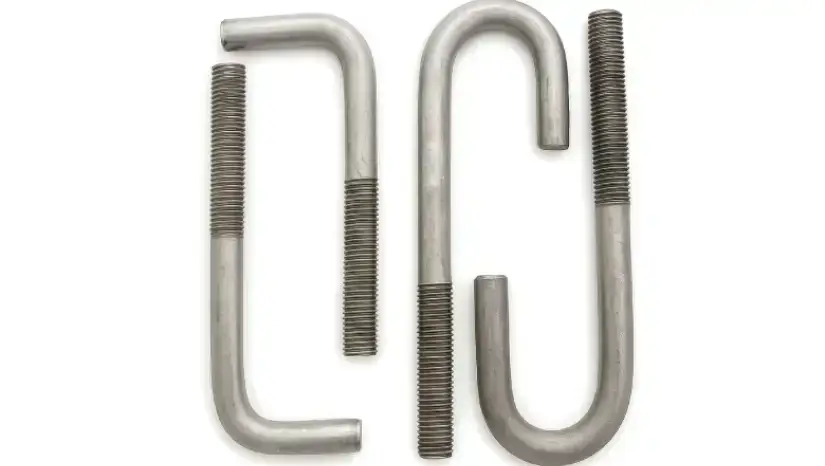
These are basic and widely used anchor bolts for securing structures to concrete. Straight Type bolts are simple rods embedded directly in concrete, while L Type bolts have a bent end that provides extra pull-out resistance. Both types are commonly used in steel columns, machinery foundations, and general structural applications.
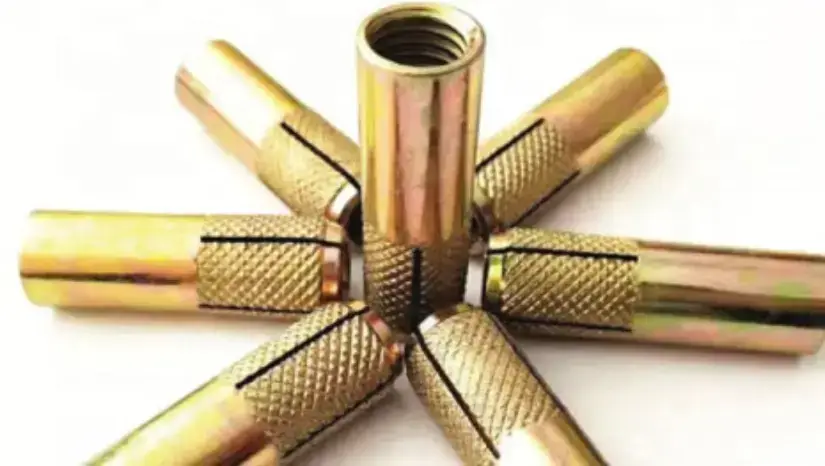
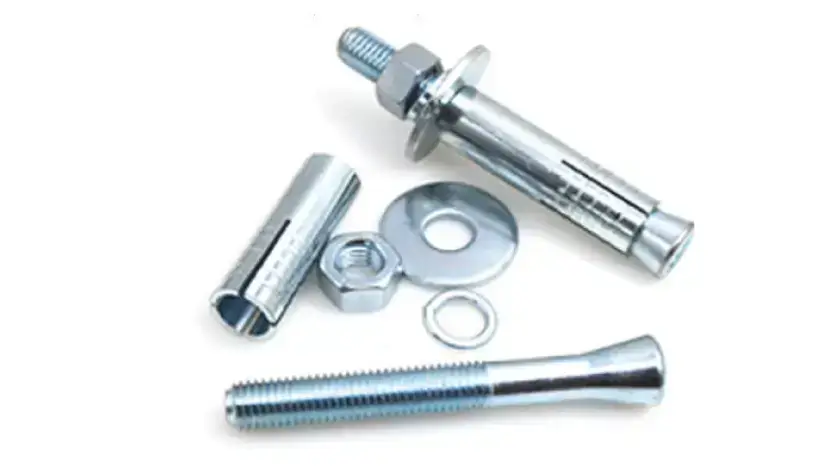
Drop-in anchors are internally threaded and installed into pre-drilled concrete holes. They expand internally to secure themselves and are perfect for retrofit or repair applications where new anchors are added to existing concrete.
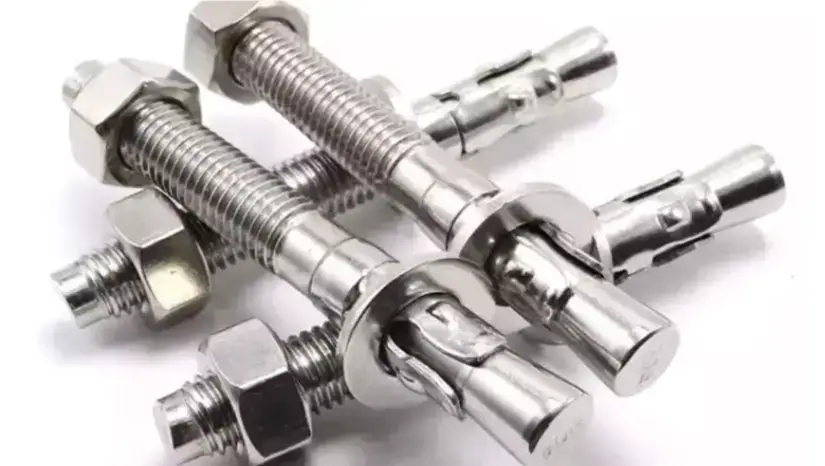
Mechanical expansion anchors like wedge-in types grip concrete tightly when tightened, while through bolts pass completely through the concrete for strong, heavy-duty connections. Both are commonly used for structural attachments and machinery bases.
Sleeve expansion anchors secure themselves by expanding a sleeve within a drilled hole, offering excellent holding strength. They are suitable for both new and existing concrete installations where strong pull-out resistance is required.
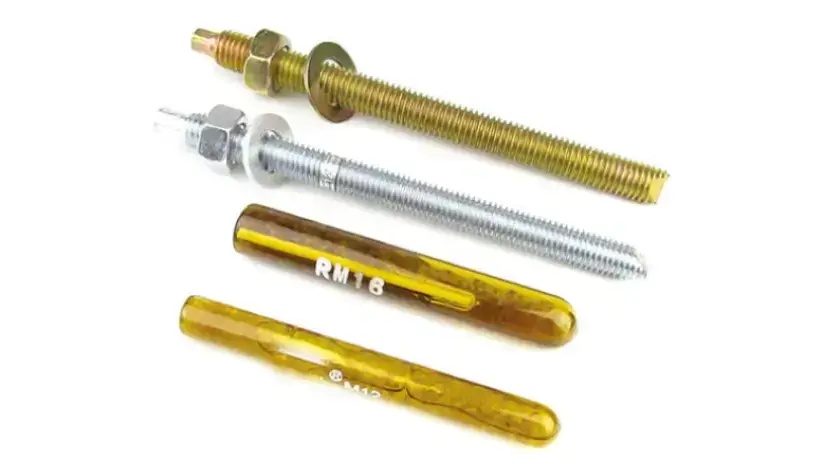
Chemical anchor bolts are installed into pre-drilled holes in hardened concrete using a high-strength resin or epoxy. The chemical bonding provides excellent load capacity and pull-out resistance, making them ideal for retrofit, repair work, or applications where traditional cast-in-place anchors cannot be used.
Anchor bolts are used across nearly all sectors of construction and infrastructure. Typical applications include:
Fastening steel columns and base plates to foundations.
Fixing heavy equipment in factories or plants to minimize vibration.
Supporting bridges, railings, road signs, and lighting poles.
Adding new elements to existing concrete without rebuilding foundations.
Securing panels or façade components to structural frames.
Selecting the proper anchor bolt involves evaluating several engineering and environmental factors. Therefore, here is what you must consider:

Determine whether the bolt will resist tension, shear, or combined loads.
Decide between cast-in-place or post-installed based on the project phase.
Stainless steel or galvanized bolts are best for outdoor or corrosive environments.
Softer concrete, for example, may require longer or chemically bonded anchors.
Greater depth increases holding strength.
Maintain proper distances to prevent cracking or spalling.
Follow specifications such as ASTM F1554 (anchor bolts) and ACI 318 (design provisions for concrete anchorage). Consulting an engineer or a manufacturer’s design tables helps ensure the chosen anchor meets the structural load and environmental demands.
Anchor bolts are critical structural links. However, a small installation mistake can lead to catastrophic consequences such as bolt pull-out, concrete cracking, or equipment failure. To prevent this, always follow the manufacturer’s specifications, ensure accurate placement, and apply the correct torque.
Key practices include:
Imagine installing a steel column on a new foundation. Engineers design the anchor layout, spacing, and size based on the loads. L-shaped or headed bolts are fixed in the foundation before pouring concrete. Once cured, the base plate is fitted over the exposed bolts and tightened with washers and nuts. Proper alignment, embedment, and corrosion protection ensure the column can safely carry vertical and lateral loads.
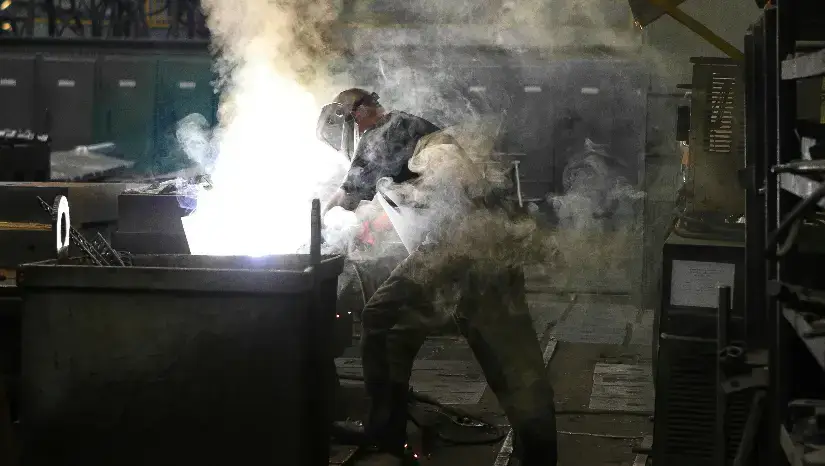
Quality control is vital. Therefore, anchor bolts should undergo inspection for alignment, embedment depth, and torque. Field pull-out tests and proof-load testing (as per ASTM E488) verify the anchor’s performance. Routine inspections during maintenance help identify corrosion or loosening before failure occurs.
Even experienced installers can make errors that compromise performance:
Anchor bolts are small but indispensable components in every modern structure. They provide essential stability, safety, and load transfer between concrete foundations and the elements they support.
To recap:
When selected and installed correctly, anchor bolts ensure long-term structural integrity—making them one of the most important yet overlooked elements in construction.
Generally, no. Once tensioned or bonded, removal or reuse can weaken performance.
Carbon steel, stainless steel (304/316), and hot-dip galvanized bolts are most frequently used.
Expansion bolts are a type of post-installed anchor bolt that expands mechanically within a drilled hole, whereas anchor bolts can also include cast-in-place types.