

Anchor Fastener Bolt Types and Applications Across Industries & Infrastructures
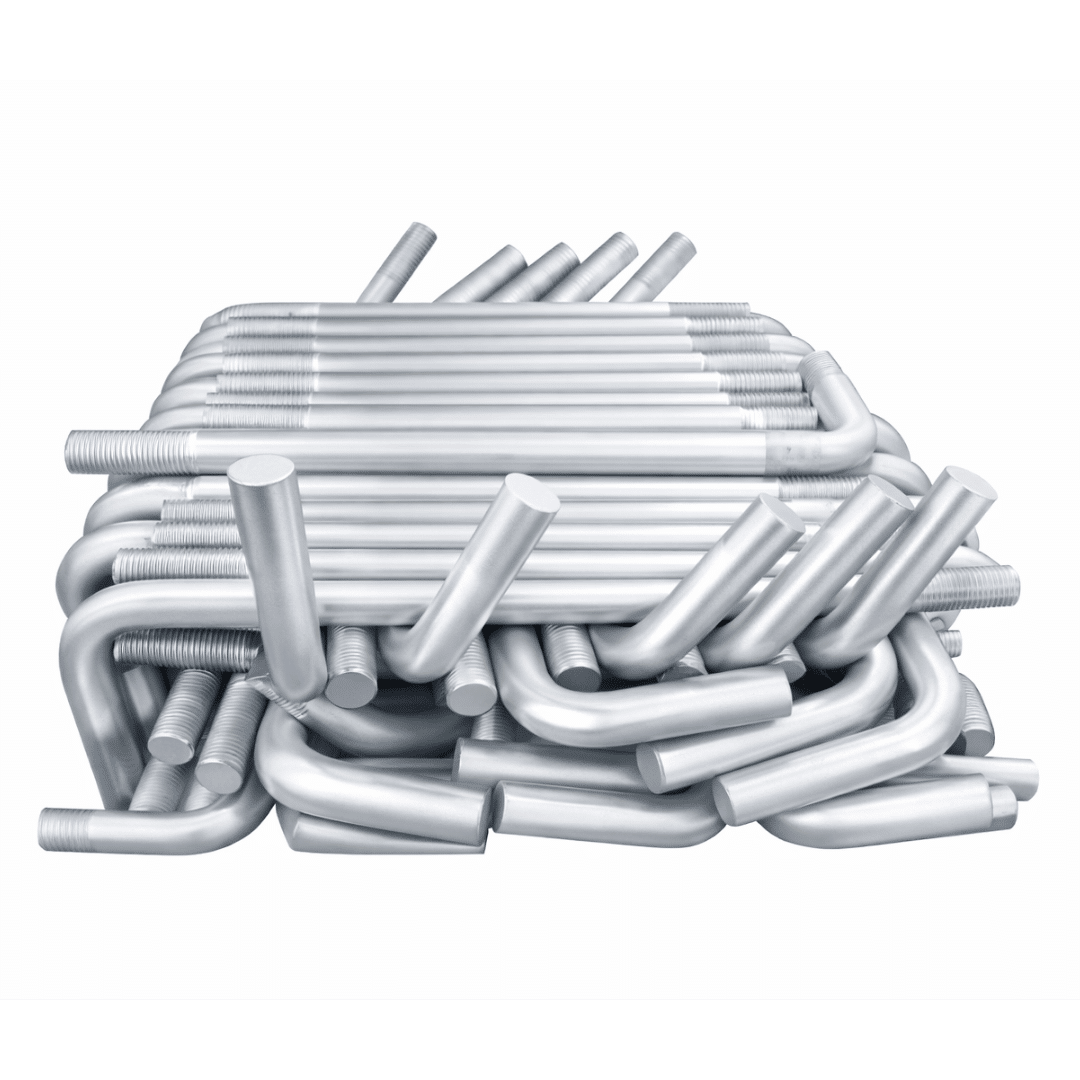
Anchor Fastener Bolt applications are essential for structural stability in modern manufacturing. Structural stability in modern manufacturing begins with its fundamental interface. The connection between structural metal, devices, or support systems and concrete must be secure and designed for prolonged durability. The anchor fastening bolt serves a significant role in this process. Dubai’s industrial environment is difficult. Consequently, choosing the right anchor fastening bolt is a vital protective precaution due to the extreme outdoor temperatures as well as structural stresses. Anchor fastener bolts transfer structural pressures from components to concrete bases. As a result, they maintain mechanical integrity against static and dynamic environments. Furthermore, bolts are also used to support metal beams in skyscrapers, anchor heavy machines in manufacturing, and fix systems in transportation. In this context, this blog post provides an in-depth analysis of anchor fastener bolt types, highlighting their materials, strategies, and notable overall performance. What is an Anchor Fastener Bolt? An anchor fastener bolt is a heavy-duty fastening mechanism specifically made for connecting elements to masonry, concrete, or other similar substrates. In contrast to typical bolts used to join metallic segments, anchor bolts are designed to endure pull out forces as well as dynamic or seismic loads. Structural fastening anchors often have a threaded part for nut engagement, along with an embedded feature or a mechanical expansion mechanism. The controlled expansion of inner drilled concrete holes is necessary for post-installed variations. Meanwhile, structural embedment in poured concrete provides support for robust area variations. The primary purpose of an anchor fastener bolt is to act as a load switch. Thus, it assures vertical loads, lateral forces, vibration effects, and operational stresses are properly transmitted into the foundation without jeopardizing structural integrity. Structural Types of Anchor Fastening Bolts Forged in place anchors are inserted prior to concrete pouring. Consequently, they are installed according to structural designs and remain permanently embedded throughout drying. Common configurations include: These systems have a high load-bearing capacity, and as a result, they are often used for structural steel pillar bases and infrastructure projects throughout the UAE. Cast in place anchors provide reliable long-term stability when properly assembled and aligned when they are integrated into the concrete mass. Therefore, their correct installation is critical for structural safety. Pre-installed anchors are fastened into hardened concrete through pre-drilled holes. Subsequently, their load resistance is completed by mechanical expansion or interlocking equipment. Wedge Anchors: When the nut is tightened, wedge anchors expand at the embedded quit. This widening generates axial strain on the concrete partitions, triggering intense frictional resistance. They are commonly used in heavy-duty structural designs using stable concrete. Sleeve Anchors: They expand to cover the entire length of the sleeve, dispersing load swiftly. They are perfect for medium-load applications such as bracket installs and auxiliary frames. Expansion Anchors: Expansion anchors rely on internal expansion elements to keep them stable in the substrate. They are superior at resisting tensile forces when properly installed. Undercut Anchors: These anchors generate a mechanical interlock in the concrete by producing an engraved recess in the hollow. As a result, they provide exceptional resistance under dynamic and seismic loading conditions. 3. Anchor Rods Anchor rods are threaded steel bars set into concrete foundations. For example, they are commonly used to support structural columns, lighting poles, highway sign structures, industrial equipment, and the majority of steel frameworks. Additionally, anchors are frequently specified for infrastructure and energy projects in the UAE. Material Grades Used in Anchor Fastening Bolts Major Industrial Application of Anchor Fastener Bolt Construction and High Rise Structures Anchor fastener bolts are used to secure structural steel columns to reinforced concrete substructures in industrial buildings and homes with high upward thrust. As such, these anchoring systems are intended to withstand lateral wind forces as well as seismic effects. Moreover, precise specification supports structural continuity and stability over time. Oil & Gas Industry Anchor fastener bolts are used in refineries and offshore constructions to stabilize massive rotating systems, pipe racks, or structural supports. In these settings, additives leach into hydrocarbons and salty environments. Therefore, corrosion-resistant components are typically used to maintain mechanical integrity. Infrastructure Projects Robust mechanical anchors are essential to massive infrastructure trends. For instance, they are used in bridge bearings, toll road signal structures, lighting poles, and transportation guide structures. Accordingly, these installations require reliable overall performance under environmental and modest electrical tension. Industrial Manufacturing Plants Manufacturing plants require precise anchoring screw bolts for machine frames and factory equipment. As a result, adequate anchorage lowers vibration transfer and keeps gadgets aligned. Consequently, this is vital for operational efficiency and stability. Warehouse & Logistics Automated anchor stud bolts are used in modern warehouse constructions for consistent pallet shelving and an automated textile storage system. In addition, these anchors must withstand continuous dynamic loads and effect forces while maintaining floor integrity. Wrapping Up! Anchor fastener bolts are specialized structural components that are essential to anchorage stability and load transmission. In fact, their reliability has a direct impact on the safety and supplier lifestyles of commercial installations around the UAE. Moreover, tensile electricity, insertion intensity, and corrosion protection are all properly evaluated to ensure the best overall performance of the component. Invest in Petrofast Anchor Fastener Bolts for strong and reliable anchoring. These bolts provide reliable load and long-lasting durability and are designed for commercial and infrastructure applications. FAQs 1. What is an anchor fastener bolt used for? An anchor fastener bolt is used to safely connect structural additives, equipment, or assist structures to concrete or masonry foundations. It permits transferring hundreds from systems to the base at the same time as making sure there is stability and resistance to vibration or dynamic forces. 2. What are the primary types of anchor fastener bolts? The most common types of anchor fastener bolts include forged-in-area anchors, wedge anchors, sleeve anchors, growth anchors, undercut anchors, and anchor rods. Each type is designed for precise load necessities and installation conditions in concrete structures.