
Leading
Industrial Solutions

Certified Company
ISO 9001

Monday – Saturday 08:00-18:00
The Gulf Cooperation Council (GCC) region is linked to a unique yet an exceptionally brutal challenge to the fastener’s integrity. The mix of the high chloride content from high desert temperatures, demanding specifications of the petrochemical industry concludes that selecting the suitable fastener is not just a budget decision rather an asset integrity strategy. In certain cases, inappropriate material selection is a bridge to catastrophic failures. With the aim set of achieving true durability, engineers must move beyond generic material selection grades and follow a region-oriented approach
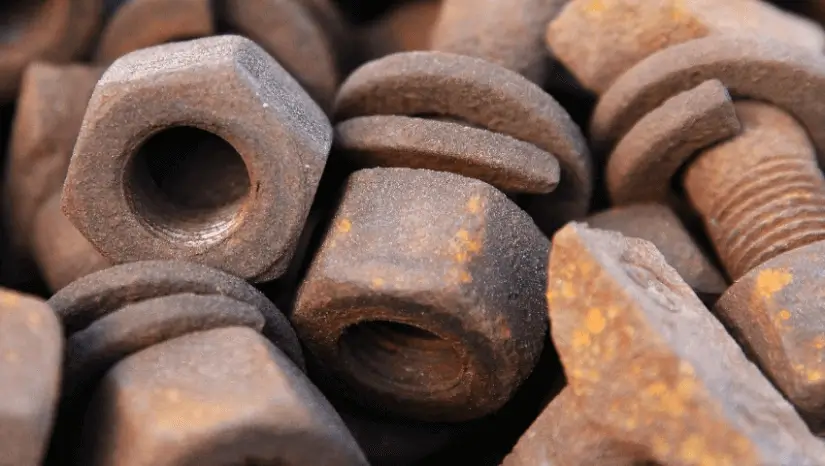
On the coasts of Arabian Gulf and Red Sea (cities like Jeddah, Dubai and Manana), High humidity levels build a C5-M (Marine) corrosive environment. In these zones, the core failure mode is crevice corrosion and pitting corrosion mainly caused by chlorides attack the passive layer of SS (Stainless Steels), or breaking through the coating of carbon steels. The Stainless-Steel Imperative Standard stainless steel (SS 304) is entirely inadequate and will fail rapidly. The minimum acceptable standard is SS 316L, which contains molybdenum to fortify resistance against chlorides. For mission-critical or permanently submerged structures, such as desalination plant infrastructure or offshore jetties, the only safe choice is to specify Duplex (2205) or Super Duplex (2507) stainless steels. These alloys possess a superior Pitting Resistance Equivalent Number (PREN) value (often PREN > 40 for Super Duplex), providing unmatched longevity in hot, saline water.
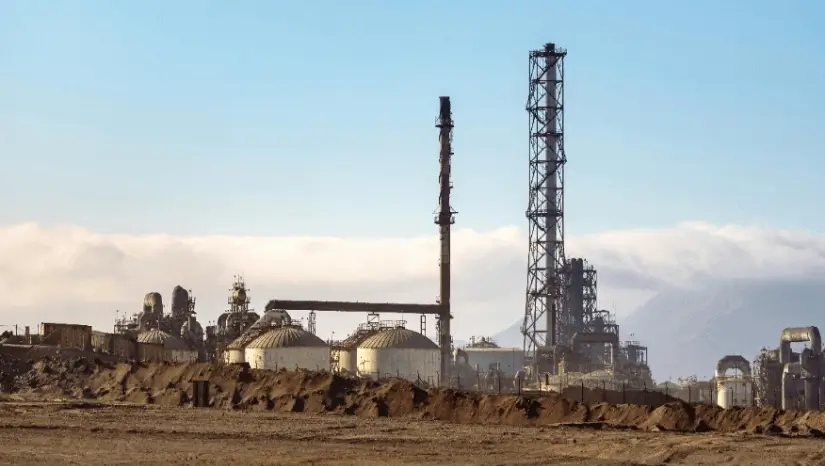
Desert regions come with sustained temperatures often exceeding 50°C (122°F). These high temperatures directly affect the protective coating and its base metal. Specialized alloy steels are mainly required in process plants like refining or power generation.
Standard zinc plating degrade faster under high thermal load and ultraviolet (UV) exposure. For heavy structural applications, Hot-Dip Galvanizing (HDG) is the historical preferred coating, offering a thick, metallurgically bonded zinc-iron alloy barrier.
For high-pressure/high-temperature process equipment, fasteners must adhere to ASTM standards like A193/A194. For example, A193 Grade B7 alloy steel is widely used for its high-temperature strength retention, but its coating must be carefully considered.
The oil and gas sector, within certain petrochemical processes and upstream production, a highly dangerous condition known as Sour Service is created through the presence of hydrogen sulfide (H₂S)
Any fastener exposed to H₂S-containing environments must be strictly compliant with NACE MR0175/ISO 15156. These standard dictates that the materials used must have carefully controlled hardness (HRC ≤ 22 for low-alloy steel) to prevent Sulfide Stress Cracking (SSC)—a brittle fracture that occurs without warning. For carbon and low-alloy steels, this typically means specifying a modified, lower-hardness grade, such as ASTM A193 Grade B7M instead of the standard B7.
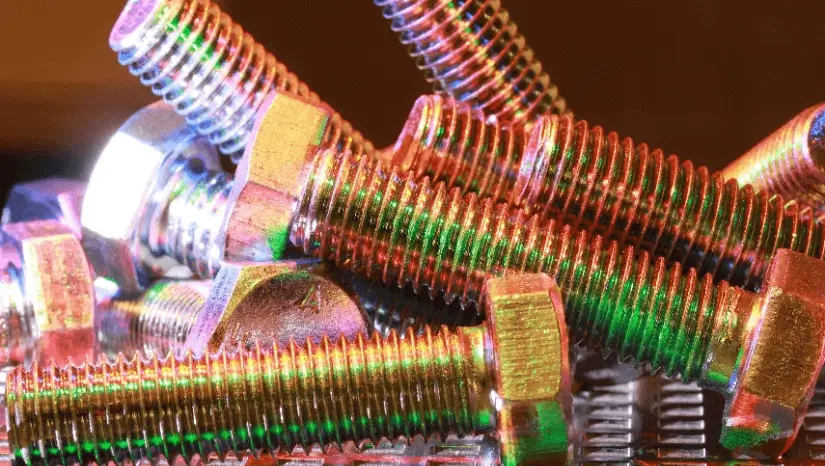
Despite the environmental degradation, the selection process must also take the electrochemical and manufacturing risks into account in high performance bolting.
One of the major risks is regional construction is joining structural steel with corrosion resistant steel (SS 316L) fasteners. With the presence of a saline electrolyte (coastal air or moisture), this mix creates a galvanic cell.
As SS (Stainless Steel) is the more noble metal, the carbon steel structure becomes the sacrificial anode. When a small SS fastener is used on a large CS structure, the small anode area (the fastener) will rapidly corrode to protect the large cathode area (the structure), leading to premature failure of the joint itself.
The safest practice is to insulate the dissimilar metals using non-conductive washers or sleeves. If SS fasteners must be used, they should be paired with a carbon steel structure that is protected by a long-lasting, intact coating like HDG (Hot-Dip-Galvanizing) or a high-performance paint system to break the electrical circuit.
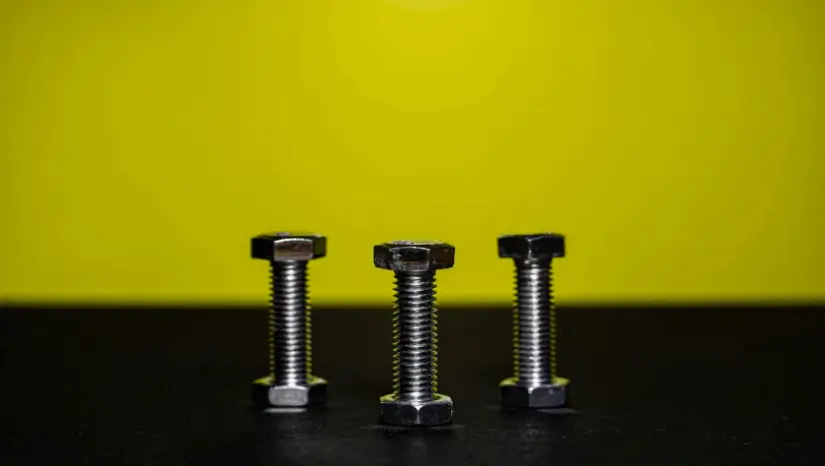
Despite the environmental degradation, the selection process must also take the electrochemical and manufacturing risks into account in high performance bolting.
The golden rule remains! Avoid electroplated (electrolytic) coatings on high-strength steel. The chemical process introduces atomic hydrogen into the metal lattice. While baking procedures can help, the risk is never fully eliminated.
Zinc-Aluminum Flake Coatings: Applied via a mechanical dip-spin method, this coating is non-electrolytic, making it the superior choice for high-strength steel (10.9 and 12.9) where HE is a zero-tolerance concern. They also offer excellent corrosion resistance.
Fluoropolymer/Ceramic Composite Coatings (e.g., PTFE/Xylan): Specifically common in oil and gas flange bolting (A193/A194), these are often applied over a base metal coating (like zinc phosphate). They offer excellent corrosion resistance, superior chemical resistance, and, critically, a low, consistent coefficient of friction, which is essential for achieving accurate pre-load (tension) during bolt torquing.
After the assessment, the selection must always algin with the properties of the metal and specific application risk profile:
For general use, specify Grade 8.8–10.9 carbon steel secured with a thick, robust Hot-Dip Galvanized coating, or a zinc-aluminum flake coating for Grade 10.9.
By following this stringent material and coating specifications, prioritizing molybdenum content for chloride environments, controlling hardness for Sour Service, and eliminating electroplating risk while managing galvanic potential can eventually ensure engineering firms that their projects meet the benchmark for durability and safety in the challenging operating environments of the Middle East.