Ultimate Guide to Brass Fasteners UAE : Top Benefits, Types Uses & Applications
Brass fasteners are a popular choice for production and industrial sectors across the UAE. Brass screws are used in multiple industries due to their strength and durability. In contrast to metallic or other metals, brass fasteners are resistant to corrosion and preserve consistent electrical conductivity.
Sturdy brass screws can be precisely manufactured for complex designs. Brass has particular homes that make it best to be used in plumbing, electrical, maritime, and decorative projects. Such fasteners are preferred in oil and gas industries due to their non-sparking qualities, which reduce the risk of unintentional fires in hazardous situations.
In this blog, we’ll look at the primary benefits of brass fasteners, covering their types and common manufacturing methods, along with efficient application across sectors. Read on to learn why brass fasteners are still a popular choice among engineers and builders across GCC.
Key Benefits of Optioning for Brass Fasteners
Corrosion Resistant
Brass fasteners resist corrosio extremely well. Brass, a copper and zinc alloy, forms a thin oxide layer on the surface when exposed to air. This protective layer shields fasteners from rust and other types of corrosion. As a result, these fasteners work well in environments where moisture is a concern.
For Example: You are building a deck near the ocean. The saltwater in the air will be extremely harsh to metals. Like if you use steel screws they’ll probably start to rust or weaken their integrity within a few months. But, if you go for brass fasteners; they will last for a long time. This leads to lower yearly maintenance and replacement expenses.
Reliable Electrical Conductivity
Maintaining a reliable electrical connection that remains stable over time is essential. Corrosion in steel fasteners can increase contact resistance and reduce performance over time.
Brass is a very good conductor of electricity, so manufacturers frequently use it to assemble electrical and electronic devices. Although brass does not conduct electricity as well as pure copper, it provides sufficient conductivity for many applications.
For example, manufacturers commonly use it in grounding systems, terminal connections, components of switchgear, and low voltage electrical applications.
Many manufacturers require brass screws in control panels and other electrical circuit appliances. Their continuous conductivity and resilience to environmental deterioration make them a perfect fit for vulnerable circuit components.
Strength and Durability
Brass fasteners suit complex building projects due to their high durability. Brass anchors endure regular wear and tear. Builders also use them in construction to integrate metal or other building materials.
For example, brass screws firmly connect beams and boards to form a resilient framework during pine deck construction. Manufacturers design them to bear pressure and weight without splitting or cracking.
Petrofast’s brass screws and nuts resist a specific level of torque when connecting metal and timber components during construction.
Malleability
Brass is a soft metal, easy to mold and shape. This is a major advantage while manufacturing screws. It helps with the engineering of more precise and complex designs.
Petrofast’s skilled manufacturers can customize screws in many dimensions and thread patterns, as well as head forms.
Brass’s flexibility enables the self-drilling feature during roof and ceiling installations. Manufacturers can shape it with a sharp tip capable of drilling into wood or metal without the need to first drill a hole.
Brass screws install easily due to their malleability. Installers need less force to push them into items than other types of fasteners.
Different Types of Brass Fasteners for Industrial Applications
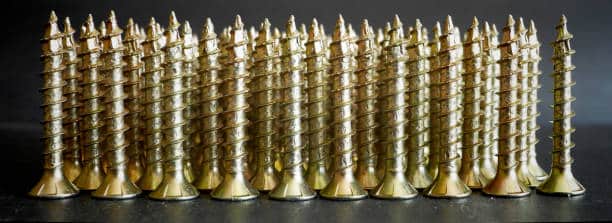
Brass Screws: Brass screws come in various sizes and shapes. Some feature Phillips or slotted drives, while others have oval, round, or flat heads. They are popular for decorating and building wooden objects. These screws are particularly helpful for projects where the screw heads will be visible.
Brass Bolts: Brass bolts provide a durable option for installations. Manufacturers often use them aquatic conditions due to their widwidenge of thread patterns.
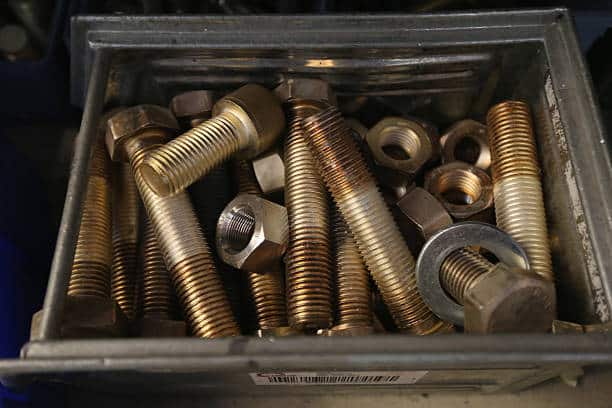
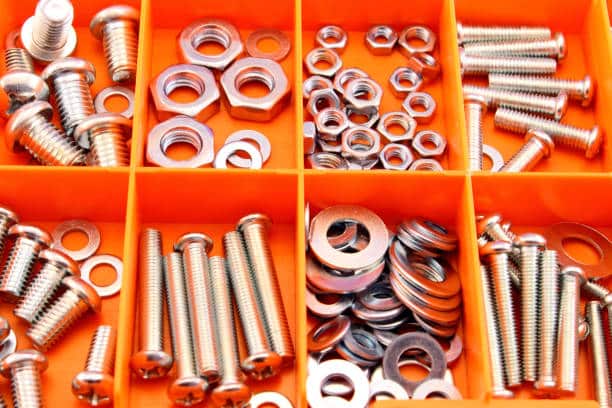
Brass Nuts: These nuts prevent corrosion and maintain the physical properties of brass during assembly by securely fitting onto brass bolts.
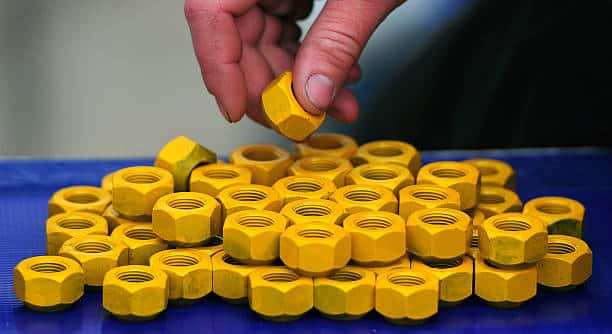
Brass Washers: Flat brass washers distribute weight uniformly and shield brass fittings from galvanic corrosion. They also come in a variety of sizes to fit countless screw and bolt combinations.
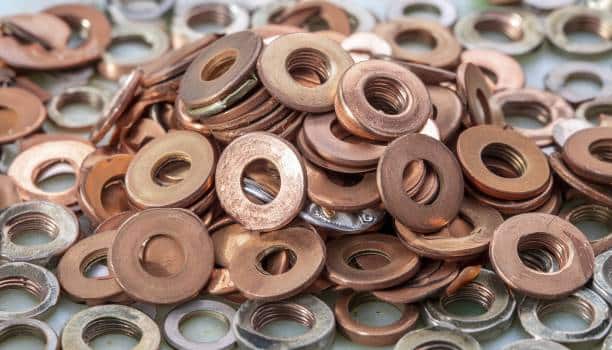
Brass Rivets: Solid brass rivets create robust fastenings when the look of brass and its gold-like properties is desired. Craftsmen commonly use brass hooks in leathercraft and decorative metalwork.
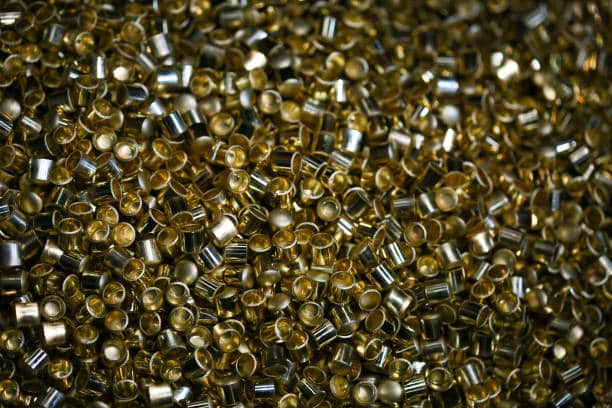
Common Processing Methods for Engineering Brass Fasteners
CNC Machining
Brass is an extremely efficient material to work with due to its incredible machinability. Because of this, manufacturers can employ CNC machining to build complicated designs with rigorous standards for superior product quality.
Extrusions
Manufacturers extrude brass through a molding tool at high temperatures to produce complex and unbroken structures. This process creates rods, tubes, and intricate axial shapes. They commonly use these parts for handrails, cornices, valves, and similar applications.
Forging
Manufacturers forge brass by heating it at a high temperature and then pressing or hammering it into objects. The process yields precise and robust fittings like grips, knobs, or other plumbing fixtures.
Sheet Metal Stamping
Manufacturers use stamped brass sheets to design connectors, brackets, and other small components. These parts often appear in electrical components such as switch terminals and contact points.
Uses for Brass Screws
Marine Industry: Brass fasteners are a popular choice in maritime environments such as shipbuilding and dock construction. Because they have excellent resistance to seawater corrosion.
Electrical Industry: Electronics manufacturers widely use brass fasteners, including for terminals and switches, because of their superconductivity and non-magnetic properties.
Plumbing: Plumbers have long relied on brass fasteners in pipe fittings, valves, and other plumbing constructions because of their moisture resistance.
Decorative Applications: Brass fasteners give fixtures a traditional gold finish and provide durability. Designers incorporate them into interior elements and architectural features.
HVAC Systems: Brass fasteners create long-lasting connections in HVAC systems thanks to their moisture resistance and electrical conductivity.
Conclusion
Brass screws suit many applications due to their durability and strong resistance to corrosion in humid environments. Brass provides considerable strength and environmental advantages for complex construction and oil & gas projects. Although more expensive than other metals and often requiring similar energy to function, their ability to transmit electricity makes them the preferred choice for electrical equipment and related projects.
At Petrofast Middle East FZC, we manufacture and supply premium brass fasteners, including screws, nuts, bolts, rivets, and others. Get in touch with us today to get affordable components all across GCC.
FAQs
Are brass fasteners customizable in the UAE market?
Yes, Petrofast Middle East UAE offers customization in terms of size, thread patterns, and head types, in addition to finishes to satisfy requirements.
How do I select the right brass fastener for my project?
When selecting brass fasteners in the UAE, consider company standards, load requirements, as well as environmental impact.